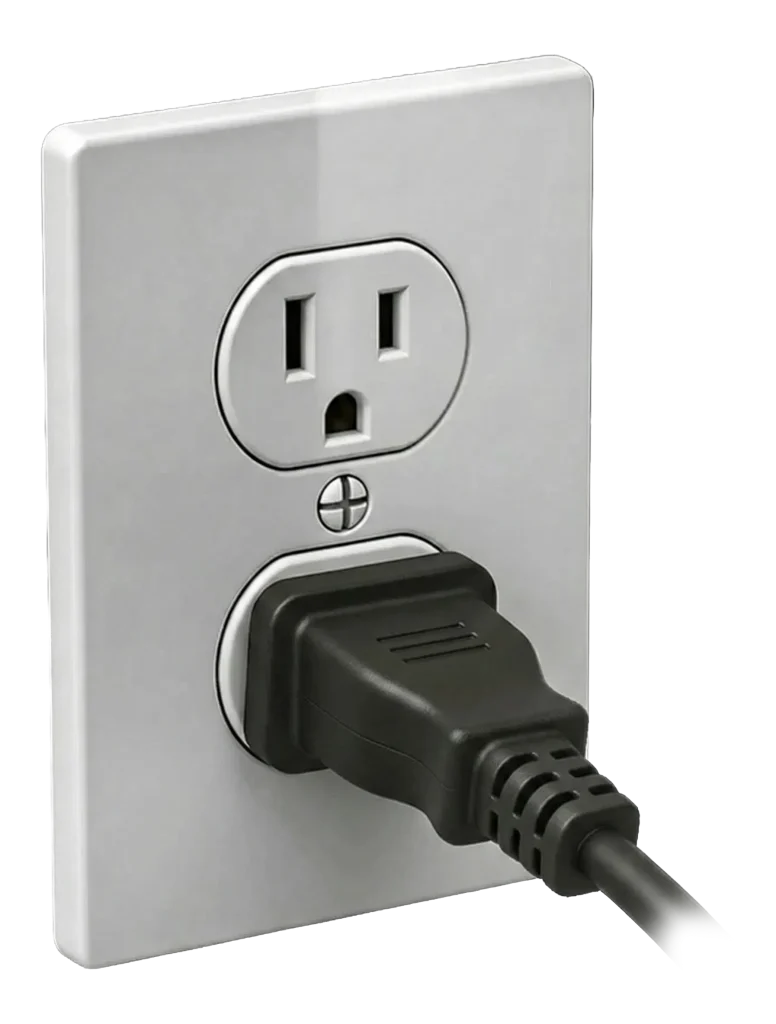
Loose wall outlets may seem like a small annoyance — a plug that falls out with the slightest tug, or an appliance that blinks off when you lean on the cord. But what many homeowners and renters don’t realize is that loose outlets can pose real safety issues, shorten the lifespan of electronics, and disrupt daily life more than you might expect.
In this post, we’ll explain why loose outlets happen, the risks they can create, and what you can do about it — including a simple, safe solution that fixes the problem without rewiring or replacing the outlet.
What Causes Wall Outlets to Become Loose?
Most people assume outlets loosen because the building is old — and that’s part of it — but there are a few key drivers:
- Repeated Plug In and Out: Over time, the internal metal contacts that grip your plug weaken.
- Heavy or Wide Plugs: Larger adapters strain the outlet, pulling contacts apart.
- Wear & Tear: Everyday use gradually degrades the outlet’s grip strength.
- Poor Initial Installation: Even new outlets can be loose if installed without precise alignment.
As the contacts wear, the outlet no longer holds the plug snugly — and that’s when problems begin.
The Hidden Risks of Loose Outlets
What may look like a minor nuisance can have serious consequences:
1. Increased Fire Hazard
Loose connections can generate heat and sparks, especially under load. Any time electrical contact is poor, heat increases — creating a risk of arcing or even ignition.
2. Device Damage Over Time
Frequent power interruptions stress electronics. Hard stops and starts aren’t just inconvenient — they can wear down circuit boards and batteries.
3. Unexpected Power Loss
When outlets don’t grip plugs securely, appliances can lose power without warning — potentially mid-task:
- Computers may shut down
- Refrigerators can cycle off temporarily
- Chargers may stop before batteries are full
4. Added Wear on Power Strips and Extensions
If the wall outlet is sloppy, often people plug into strips or extension cords to workaround — transferring the problem rather than fixing it.
Is It Safe to Use a Loose Outlet?
If an outlet is merely loose but not showing signs of arcing, burning, or overheating, it may still function. However, function doesn’t mean safe. Loose outlets compromise connection integrity — allowing sparks, heat buildup, and even intermittent faults.
If you notice:
- A burning smell
- Black discoloration
- Warm faceplate
- Buzzing or popping sounds
Stop using the outlet immediately and call a licensed electrician.
But if your plug just won’t stay in — that doesn’t automatically mean a full outlet replacement is necessary.
How to Fix a Loose Plug (Without Replacing the Outlet)
Traditionally, fixing a loose outlet meant:
- Cutting power
- Removing the old outlet
- Replacing it with a new one
- Possibly calling an electrician
That’s expensive, inconvenient, and often unnecessary.
A safer, faster option:
A small, non-conductive solution like Socket Saver™ restores a secure fit between the plug and the socket without tools, wiring, or outlet removal. It fills the extra space inside the outlet so the plug stays firm and connected.
Conclusion — Don’t Ignore Loose Outlets
Loose wall outlets are more than annoying — they can:
- Increase safety risks
- Damage electronics
- Disrupt your day
Before spending time and money on replacement, try a safe, convenient solution that restores secure, reliable connection in seconds. Socket Saver™ can help keep your plugs firmly in place without electrical work.
👉 Stay powered and safe — one simple fix at a time.