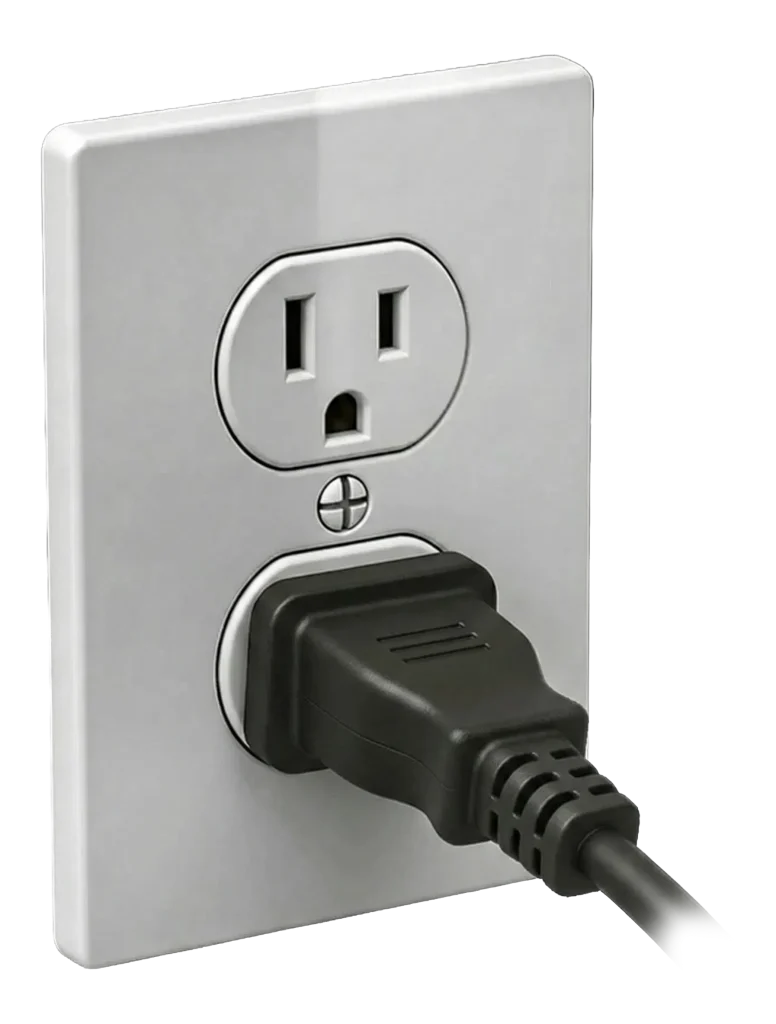
You’ve probably had this experience: your phone charger slips out of the wall, your lamp flickers, or your vacuum stops mid-clean. Loose plugs are a daily frustration that many people shrug off — but they can have real consequences for your electronics and your peace of mind.
In this post, we’ll explore the negative effects of loose plugs, explain why they happen, and offer practical ways to keep your devices powered securely.
What Happens When a Plug Is Loose?
When a plug doesn’t stay put, it’s more than just inconvenient:
- Intermittent Contact: When the metal prongs aren’t tightly gripped, electricity doesn’t flow consistently.
- Sparks and Arcing: Small gaps can cause tiny sparks — especially under load.
- Heat Buildup: It takes resistance to generate heat — and loose connections increase resistance.
These effects are subtle at first, but over time they can add up.
Consequences of Loose Connections
1. Frequent Power Loss
Loose plugs can drop power unexpectedly. That means:
- Unfinished downloads
- Interrupted video calls
- Reset timers and clocks
- Charging that never completes
It’s annoying — and it degrades the user experience.
2. Reduced Device Longevity
Poor electrical contact stresses internal electronics:
- Frequent power cycling
- Voltage fluctuations
- Heating and cooling of components
Over time, these stresses can shorten the useful life of:
- Laptops and phones
- Large appliances
- Power strips and surge protectors
3. Increased Fire Risk
Even if a loose plug doesn’t immediately spark, every time the connection shifts, it creates the potential for arcing — a known fire risk. Heat, tiny sparks, and fluctuating currents are exactly what you don’t want near wires or insulation.
4. More Strain on Other Components
If the outlet won’t hold a plug:
- Extension cords are often used as a workaround
- Power strip contacts take extra mechanical and electrical stress
- Wires bend or pull
This shifts the problem without solving it — often making the next part of your system wear out faster.
So, What’s the Best Fix?
Replace the outlet?
That can be the proper solution — but only if the outlet is damaged, cracked, arcing, or unsafe.
Temporary fixes?
Tape and wedges only mask the problem without improving the electrical contact.
A smarter alternative:
A product like Socket Saver™ restores a snug connection at the plug without replacing the outlet. It helps the outlet grip the prongs securely — preventing slips, interruptions, and some of the risks tied to loose connections.
Who Benefits Most From This Solution?
- Homeowners with older buildings
- Renters who can’t modify outlets
- Travelers dealing with inconsistent power at hotels
- Professionals using sensitive electronics
- Families with multiple high-use devices
It’s simple, small, and portable — perfect for places where outlets no longer have the grip they used to.
Conclusion
Loose plugs may seem like a small household quirk, but they can have surprisingly negative effects:
✔ Interrupted power
✔ Device wear and tear
✔ Heat and arcing risk
✔ Frustration and wasted time
Before letting loose outlets damage your devices or patience, consider a fast, tool-free solution like Socket Saver™ that restores secure connections instantly.
👉 Keep your devices powered and protected — with less hassle.